


Pakistan is losing nearly one per cent of its GDP each year to climate-related damages.
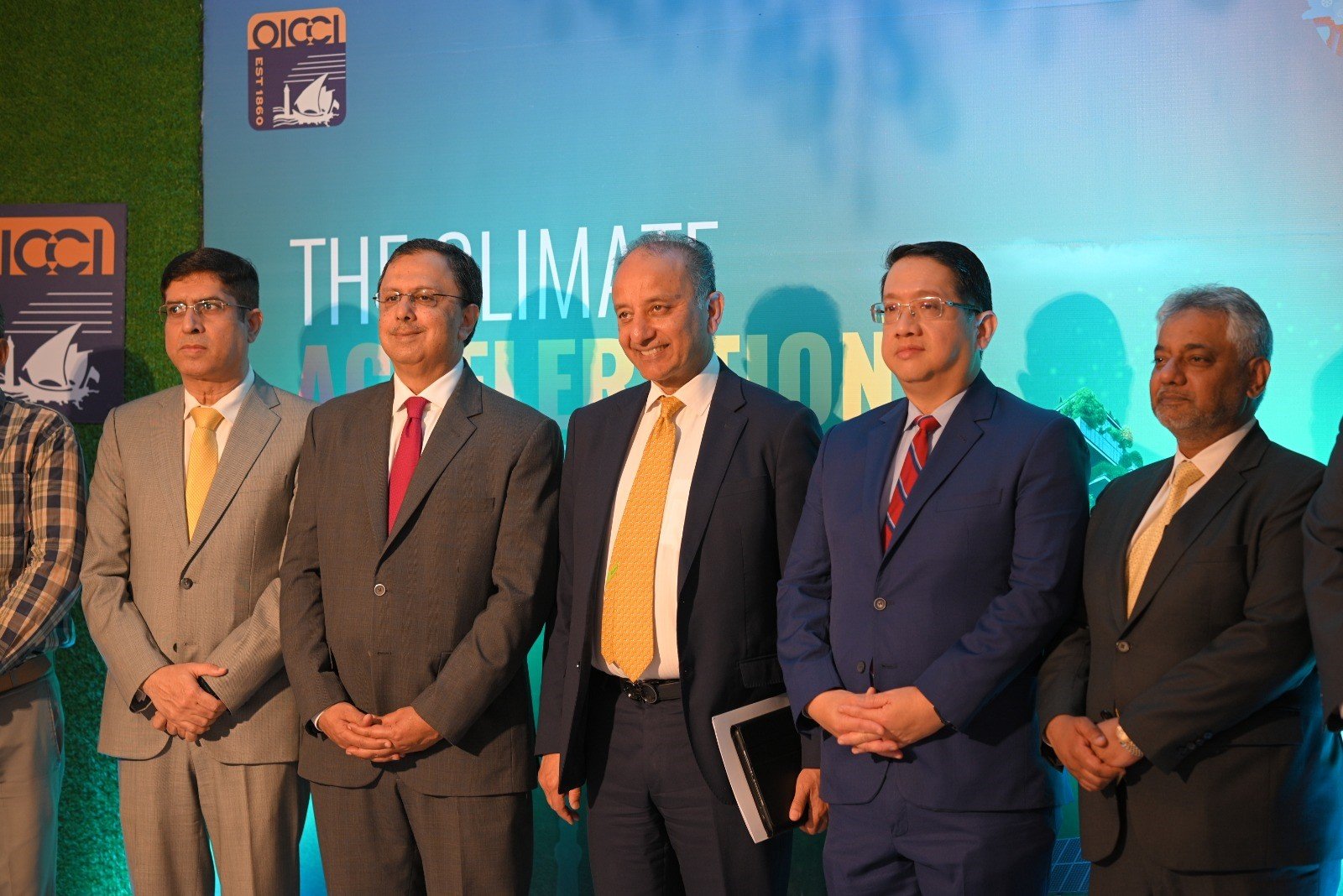
Speakers at the 4th Pakistan Climate Conference stressed the need for an accelerated shift from policy frameworks to bankable climate action.
Organised by the Overseas Investors Chamber of Commerce & Industry (OICCI), the moot brought together federal and provincial policymakers, international institutions, climate experts, journalists, and corporate leaders to address Pakistan’s mounting exposure to floods, heatwaves and economic disruption despite contributing less than one per cent to global emissions.
Federal Minister for Climate Change and Environmental Coordination Dr Musadik Masood Malik said Pakistan was on the frontline of a rapidly intensifying crisis. He appreciated OICCI for creating a platform where climate resilience is treated not as CSR, but as an economic imperative.
He stated that the country was losing nearly one per cent of GDP annually due to heatwaves, glaciers melting and floods. He stated that Pakistan’s NDC 3.0 targets a 50pc emissions reduction by 2035, but achieving a just transition would require $565.7 billion in investment. He urged climate finance that is sustainable, grant-based and rooted in climate justice.
Finance Federal Senator Muhammad Aurangzeb termed climate change as an existential threat, urging a shift in focus to mobilising available financing and developing investable projects. He highlighted the private sector’s role in providing not just capital, but innovation and technical expertise.
Regional Lead, Sustainable Finance, Asia and Pacific at United Nations Development Programme (UNDP), Chongguang Yu (Charles) said the core challenge was no longer capital availability but fragmented systems, advocating blended finance, risk-sharing mechanisms and programmatic investment pipelines to unlock scalable private-sector participation.
President of OICCI Yousaf Hussain said the government was making tangible progress on its climate agenda. He noted that from emphasising adaptation finance through public–private partnerships at the World Economic Forum in Davos to finalising the $20 billion, 10-year Country Partnership Framework with the World Bank, and preparing for the launch of Pakistan’s first Green Panda Bond, the steps reflected growing momentum on sustainable finance.
Rehan Shaikh, CEO & Head of Coverage, Standard Chartered Pakistan, stated, “For Pakistan, building resilience, mobilising sustainable finance and strengthening public-private collaboration is critical to unlocking long-term competitiveness. This is why Standard Chartered Pakistan’s support for platforms like the OICCI Climate Conference plays an important role in moving this agenda from intent to action.”
Representatives from UNDP, Asia Development Bank, International Finance Corporation, World Wildlife Fund Pakistan, State Bank of Pakistan, Securities Exchange Commission of Pakistan, Pakistan Stock Exchange, Environmental Protection Agency Punjab, Sindh Solid Waste Management Board, Sindh Environmental Protection Agency, Sustainable Development Policy Institute, and leading corporates including Unilever, Nestlé, Standard Chartered Bank and Beko Global attended the moot.

