


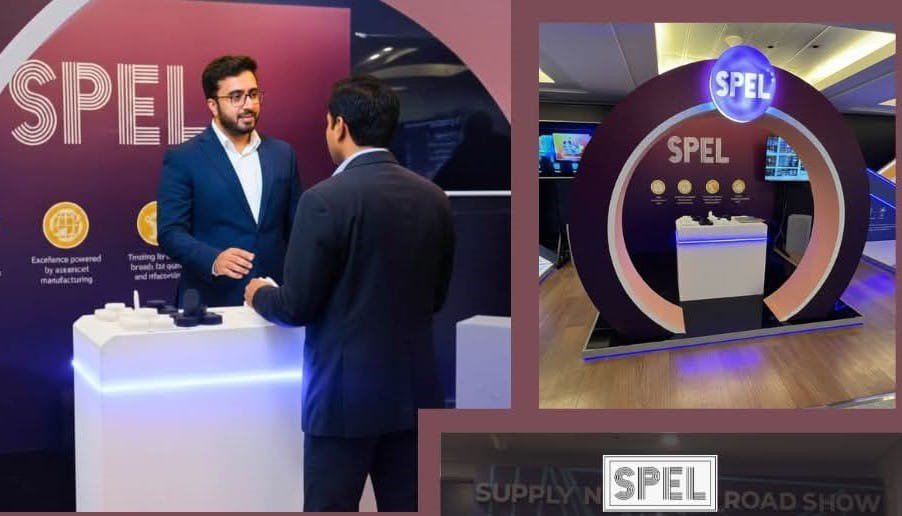
University of Engineering and Technology (UET) Lahore will establish Chair on Polymer Sustainability and Circularity.
The Chair at UET’s Department of Polymer and Process Engineering will serve as an academic and research initiative. It has designed to lead focused work in research, innovation, education, and policy engagement. This has related to sustainability, polymers and circular economy practices.
UET Vice Chancellor Prof Dr Shahid Munir signed the Memorandum of Understanding (Mou) with Zia Hyder Naqi, Chief Executive Officer of SPEL Limited. SPEL designated as a listed company and a leading manufacturer of automotive parts and packaging solutions for the food and FMCG industry.
First-Ever Initiative:
This first-ever initiative of private-academia partnership aims to develop a long-term and structured collaboration between academia and industry. It will address critical challenges related to polymer waste management, recyclability, sustainable material design, and circular product development. Both sides term the initiative a model industry-academia linkage that aligns scientific research with real-world industrial needs.
Under the MoU, the Chair will focus on advanced research areas. It included mechanical and chemical recycling technologies, integration of post-consumer resin (PCR). Life cycle assessment (LCA), extended producer responsibility (EPR) frameworks, upcycling. And the development of sustainable and compliant polymer products.
The collaboration will also support student engagement through internships, final year projects, postgraduate research. And industry-relevant academic activities.
SPEL Limited will contribute financially, industry guidance, technical input, and participation in governance through representation on management and steering committees. UET Lahore will provide academic leadership, laboratory facilities, research infrastructure. And transparent reporting mechanisms to ensure effective implementation and oversight of the initiative.
Representatives from both institutions emphasised that the collaboration reflects a shared commitment to advancing polymer sustainability, fostering innovation, supporting evidence-based policymaking, and developing skilled human capital for Pakistan’s manufacturing and packaging sectors.

